We are at the CLEAN PRO EXPO in Friedrichshafen! · September 15–17, 2026 · Booth FO-200

Optimize PV cleaning with precision

Cleaning a PV system: Correctly adjust cleaning behavior for solar cleaning robots

For PV system operators and professional cleaners

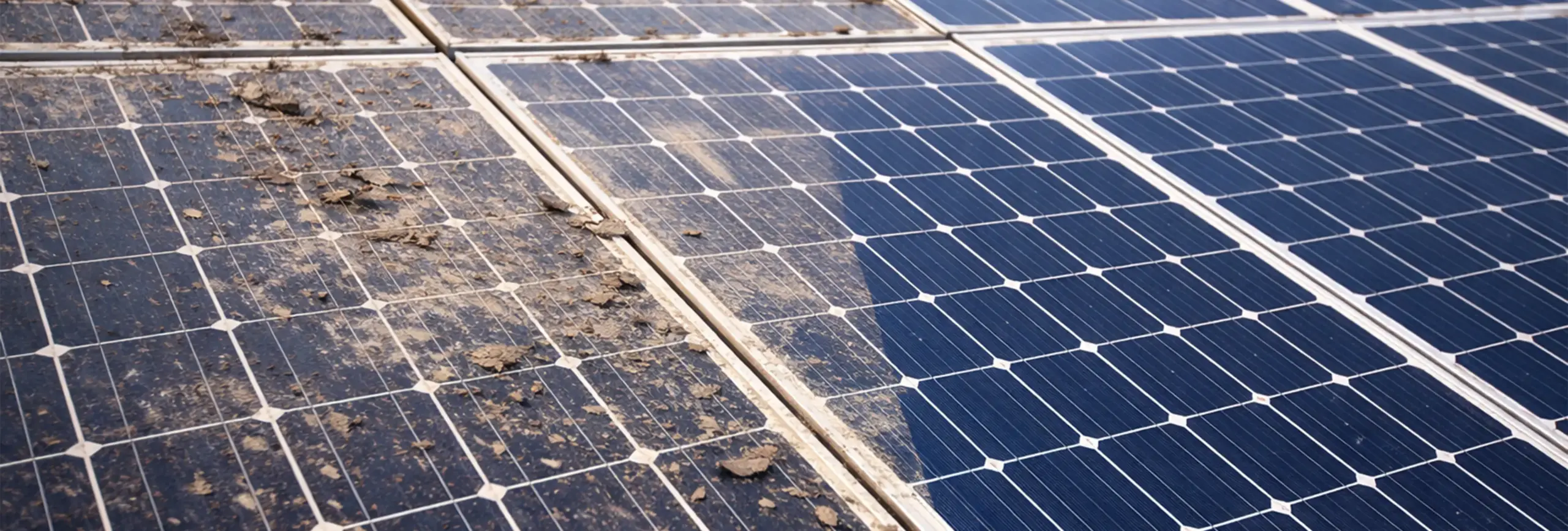
Dust, bird droppings, or agricultural deposits each place different demands on cleaning photovoltaic systems. At the same time, the module surface and tilt angle affect how safely and efficiently a solar cleaning robot can be used. That’s why the cleaning technology should always be adapted to on-site conditions. The right combination of tracks, safety system, robot settings, and, if necessary, pre-cleaning helps remove soiling in a targeted way and clean the modules as gently as possible.

Cleaning a PV system – what matters?

Anyone who wants to clean a PV system should not only choose the method, but also adapt the cleaning behavior.

Key factors are:

  • Type and severity of soiling
  • Surface condition of the modules
  • Roof pitch and environmental conditions
  • Use of the right cleaning technology


Only when these factors are taken into account is safe and effective cleaning possible.

Assess soiling correctly

Before a PV system can be cleaned, the soiling must be assessed correctly.

Typical types of soiling:

  • Dust and pollen
  • Bird droppings
  • Algae and organic residues
  • Industrial deposits


Depending on the type of soiling, the cleaning behavior must be adjusted to avoid damage and achieve optimal results.

Adjust cleaning behavior in a targeted way

When using solar cleaning robots, the correct settings are crucial.

Important adjustments:

  • Adjust brush pressure to the surface
  • Regulate speed depending on the level of soiling
  • Control the water supply as needed
  • Adapt driving behavior to the slope and conditions


Incorrectly configured cleaning can lead to inadequate results or even damage to the PV system.

“Effective PV cleaning starts with the right assessment of the system. The type of soiling, module surface, and tilt determine how the cleaning technology should be adapted for the specific application.”

Safety when cleaning PV systems

Cleaning a PV system is always also a safety issue.

Typical risks:

  • Risk of falling during roof work
  • Risk of slipping on module surfaces
  • Damage caused by incorrect technology


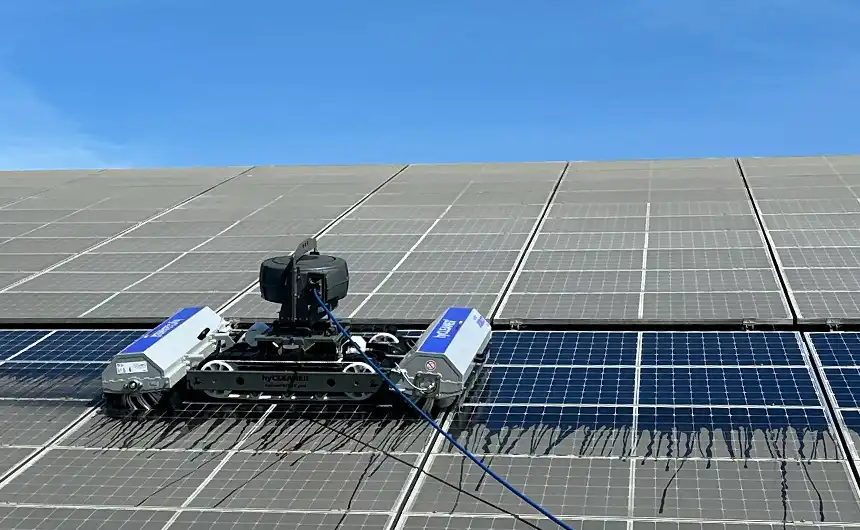
Solar cleaning robots significantly reduce these risks, as they minimize the need for personnel to work directly on the system.

Why solar cleaning robots are a good solution

Modern cleaning systems offer clear advantages over manual methods in many commercial applications.

  • consistent and reproducible cleaning
  • high safety on inclined systems
  • reduced staffing requirements
  • lower risk of damage


Especially for larger systems, using a robot is the most efficient and safest solution.

Avoid mistakes when cleaning a PV system

Common cleaning mistakes:

  • excessive pressure on the modules
  • incorrect brushes or tools
  • unsuitable cleaning agents
  • no adjustment to soiling or slope


These mistakes can permanently impair the system’s performance and must be avoided at all costs.

Conclusion: Cleaning a PV system requires the right strategy

Cleaning a PV system means more than just removing dirt. What matters is the right combination of technology, adapted cleaning behavior, and safe processes.

  • better cleaning results
  • greater safety for personnel
  • protection of the system
  • higher yields in the long term


With the targeted use of solar cleaning robots, these goals can be achieved efficiently and safely.

Which cleaning solution fits your PV system?

Whether it’s an agricultural rooftop system, a commercial roof or a large solar park—the economically optimal cleaning solution depends on system size, location and degree of soiling. Together, we analyze your system and recommend the right cleaning concept.

Our cleaning solutions at a glance

For agricultural as well as small and medium rooftop systems up to approx. 200 kWp. The cleaning robot can be used independently by the system operator and is supplied including a charging station. CE-certified and developed specifically for cost-effective in-house operation.

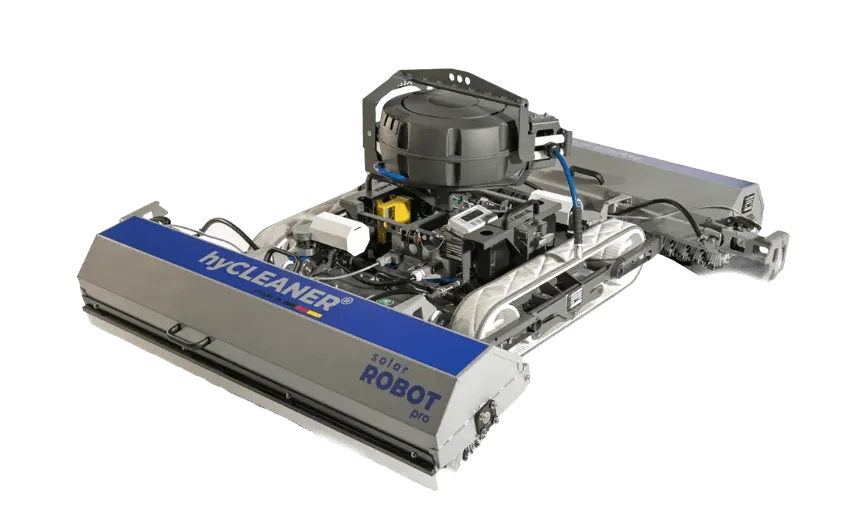
For medium-sized commercial and ground-mounted systems. With a working width of up to 2 meters and semi-automated operation, the solarROBOT Pro is ideal for efficient cleaning of larger module areas.

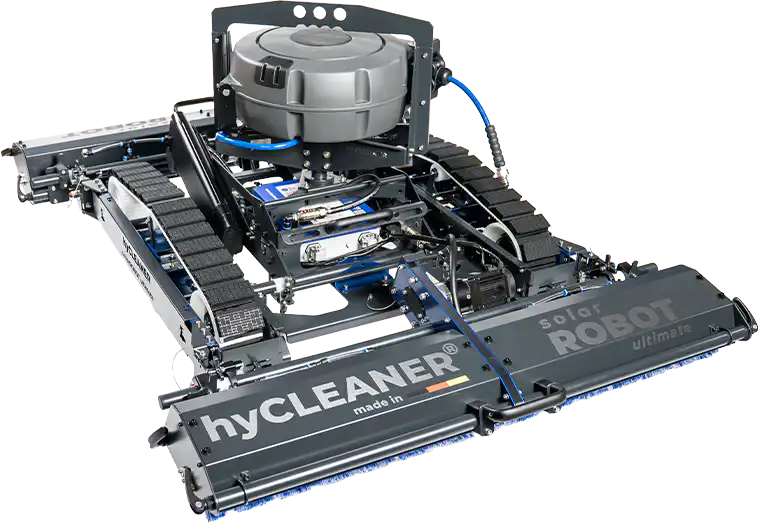
For large-scale systems and ground-mounted projects. With a working width of 2.4 meters, maintenance-free chain drive and high area performance, the solarROBOT Ultimate was developed for professional use on large PV systems.

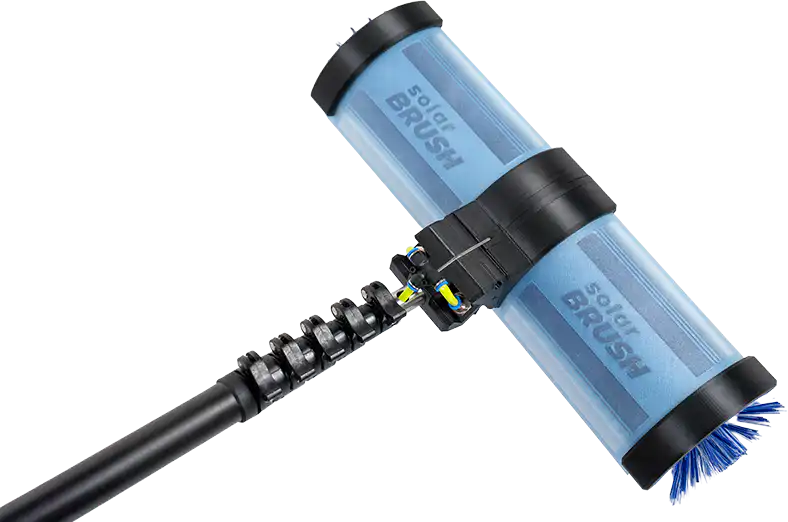
The handheld cleaning solution for special constructions, complex roof geometries and professional cleaning service providers. Ideal for applications where cleaning robots cannot be used due to the design.

All systems clean without chemicals or soap using pure water and enable gentle, material-friendly cleaning of PV systems.

Get in touch.

We analyze your system portfolio, calculate your individual cleaning needs and recommend the economically optimal cleaning concept—from a single system to a multi-site park.

Published: 11.02.2026
Last reviewed: 09.09.2026
Reading time: 5 Minuten

Table of Contents

How badly is your system affected?

Calculate your individual yield loss with the hyCLEANER solar loss calculator.

Individual Offer

We recommend the economically right cleaning concept for your system.

Further technical articles

How much does a dirty solar system cost? Example calculations for agriculture, commercial roofs and ground-mounted systems – incl. yield losses and cleaning intervals.
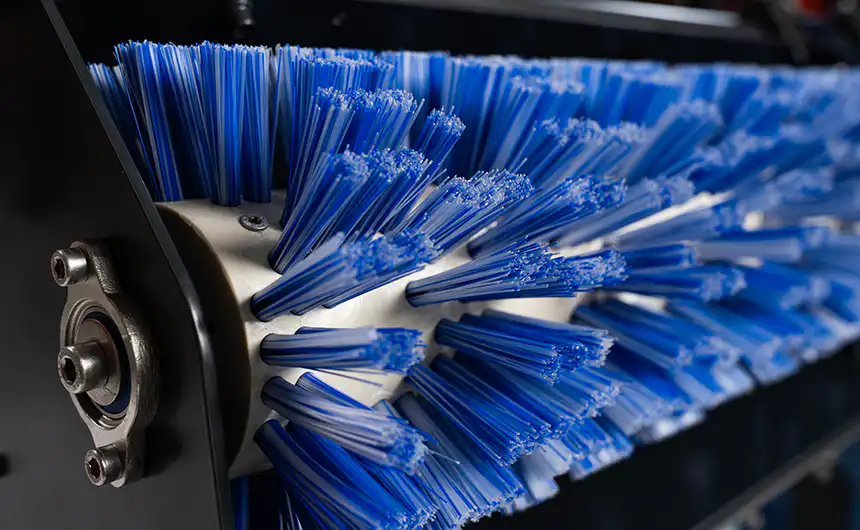
Find out which photovoltaic cleaning brushes are suitable for different systems and what matters when it comes to material, bristles and gentle cleaning.
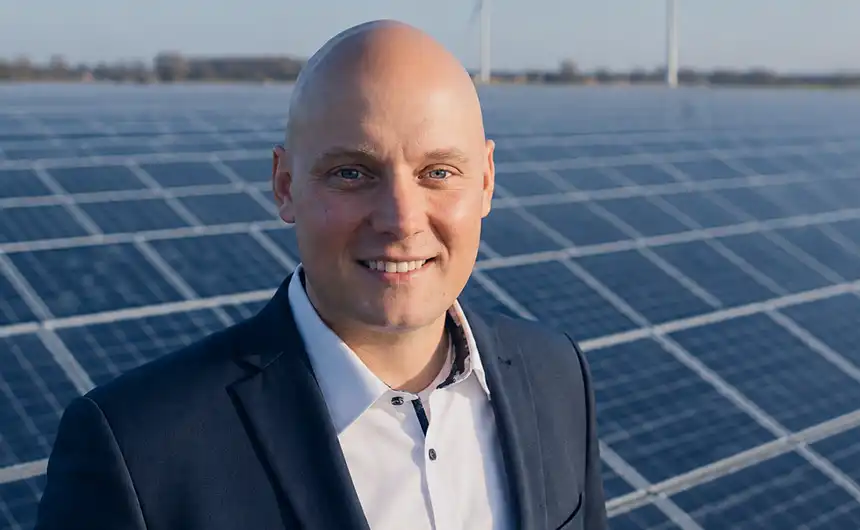
Why is the maintenance of a PV system so important? Expert Pascal Kierstein explains how cleaning, monitoring, and maintenance secure yield and profitability.