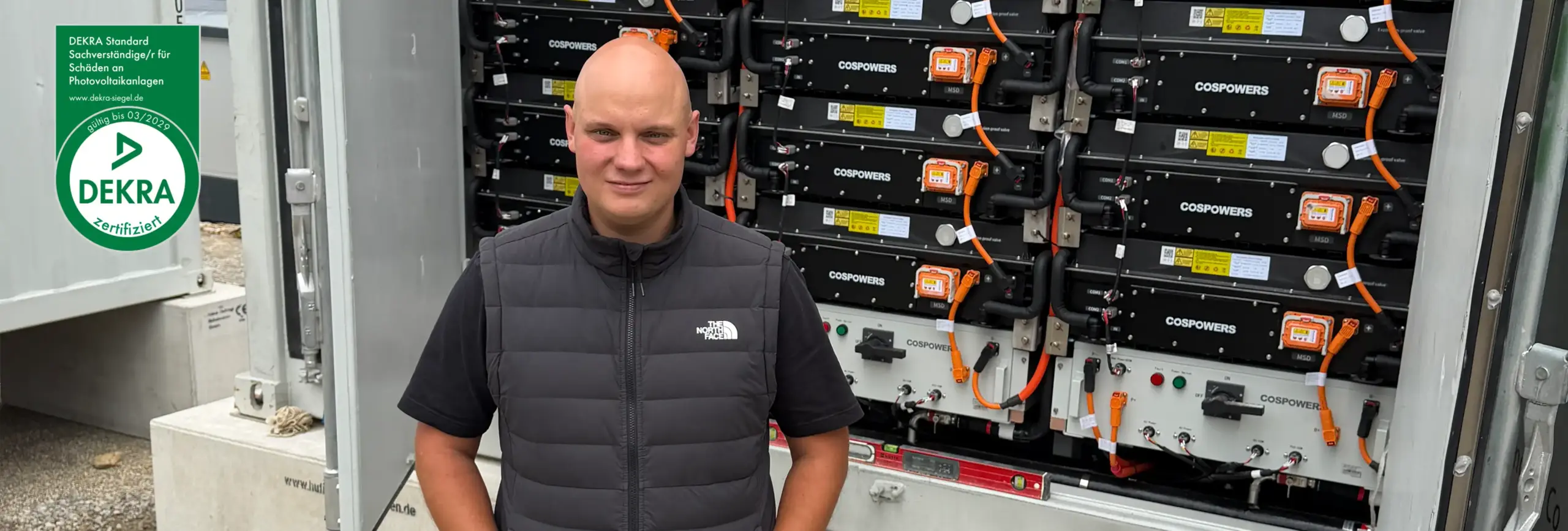
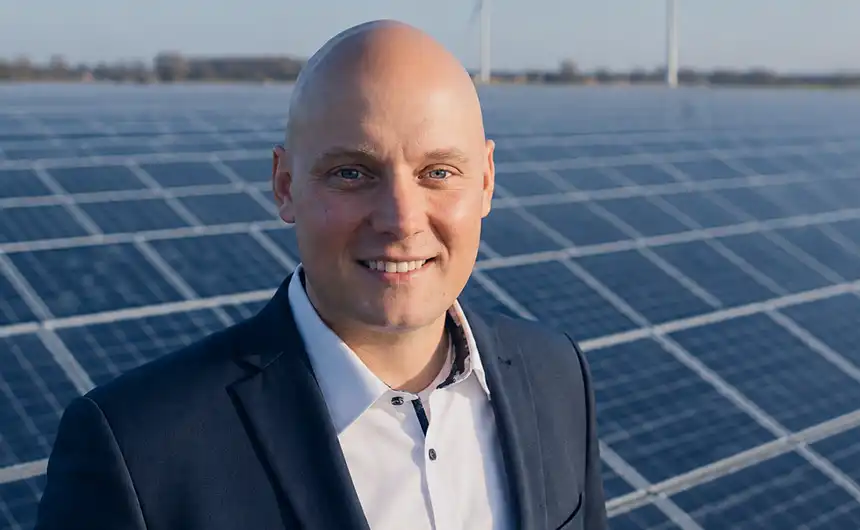
Photovoltaic Expert Pascal Kierstein

Typical Defects in Commercial PV Systems and How Operators Can Avoid Them

In a time when renewable energies are becoming increasingly important, the efficiency of photovoltaic systems is crucial. Contamination such as dust, pollen, or bird droppings can significantly reduce the performance of the modules. Therefore, regular cleaning ensures that the system operates reliably and delivers high yields. At the same time, the service life of the modules is extended. Choosing the right PV cleaning device is therefore a decisive factor for profitable operation.

Key Points

  • Defects in DC cabling, plug connections, and fastenings are among the most common problems with commercial PV systems.
  • Contamination is among the most frequent causes of creeping yield losses.
  • Hotspots, material damage, and accelerated aging can be promoted by localized contamination.
  • Many technical and economic damages can be avoided through regular maintenance and cleaning.
  • Operators frequently significantly underestimate the financial impact of small performance losses.
  • Structured monitoring helps to identify anomalies early and avoid consequential damage.

Typical Defects from Expert Practice

Which problems or defects do you encounter most frequently in commercial PV systems?

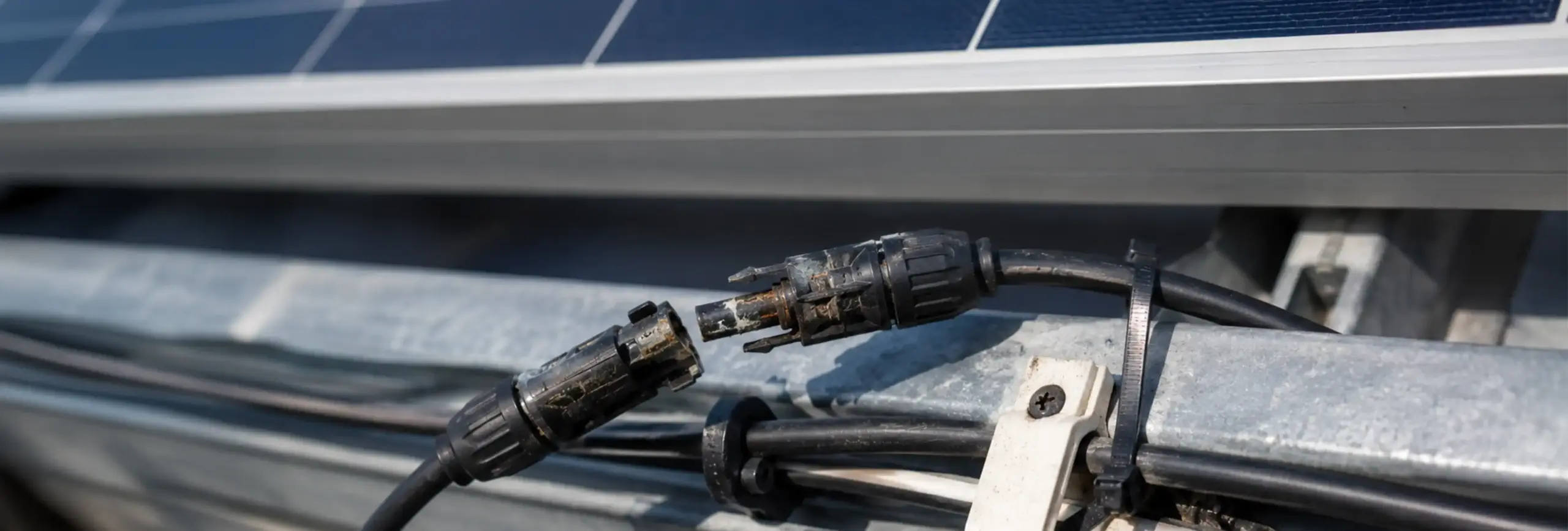
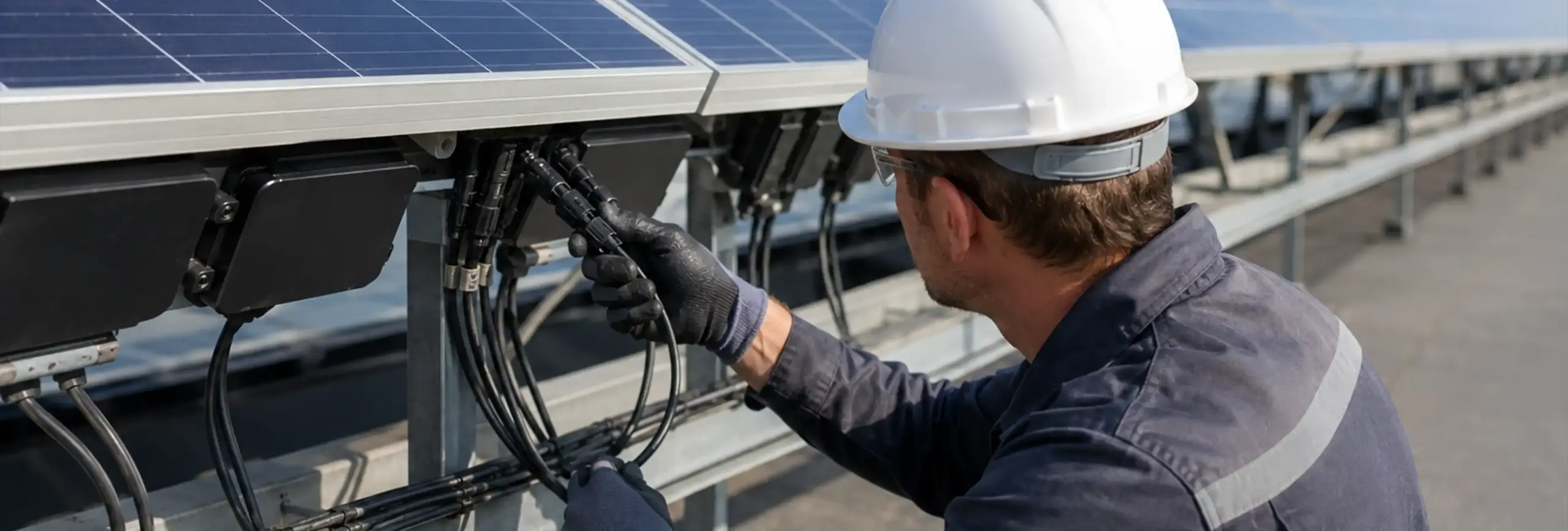
Pascal Kierstein: In practice, defects in the area of DC cabling, plug connections, as well as professional routing and fastening frequently occur in commercial PV systems. Likewise, contamination, insufficient maintenance, and thermal anomalies in inverters are not uncommon.

In older systems, age-related signs of wear such as module degradation, material fatigue, or problems with outdated components are increasingly evident. Newer systems benefit from technical progress but more frequently show execution and installation defects.

Regardless of the system’s age, the quality of planning, execution, and maintenance remains decisive.

Are there typical "classics" that you find again and again?

Pascal Kierstein: Yes, certain defects occur repeatedly. These include, in particular, improperly routed or insufficiently fastened DC cables, faulty plug connections, and deficient grounding and equipotential bonding systems.

Also frequently encountered are dirty modules, reduced yields due to shading, and insufficiently maintained inverters. Another classic is a lack of or insufficient monitoring, which often means performance deviations remain undetected for long periods.

Contamination or Technical Defect – Which Weighs Heavier?

What role does contamination play compared to technical defects?

Pascal Kierstein: Contamination is one of the most common causes of reduced yields, while technical defects occur comparatively less frequently but usually have more serious consequences.

Contamination acts continuously and leads to creeping performance reductions. Technical defects, on the other hand, can cause sudden failures. From an expert perspective, both aspects should be considered equally: while defects affect operational safety, contamination significantly influences the ongoing profitability of the system.

Further Technical Article

How Water Quality Affects Osmosis Cleaning

Contamination and deposits can only be reliably removed if the water quality is right. Learn why ppm values and water hardness play an important role.

Can contamination promote further damage?

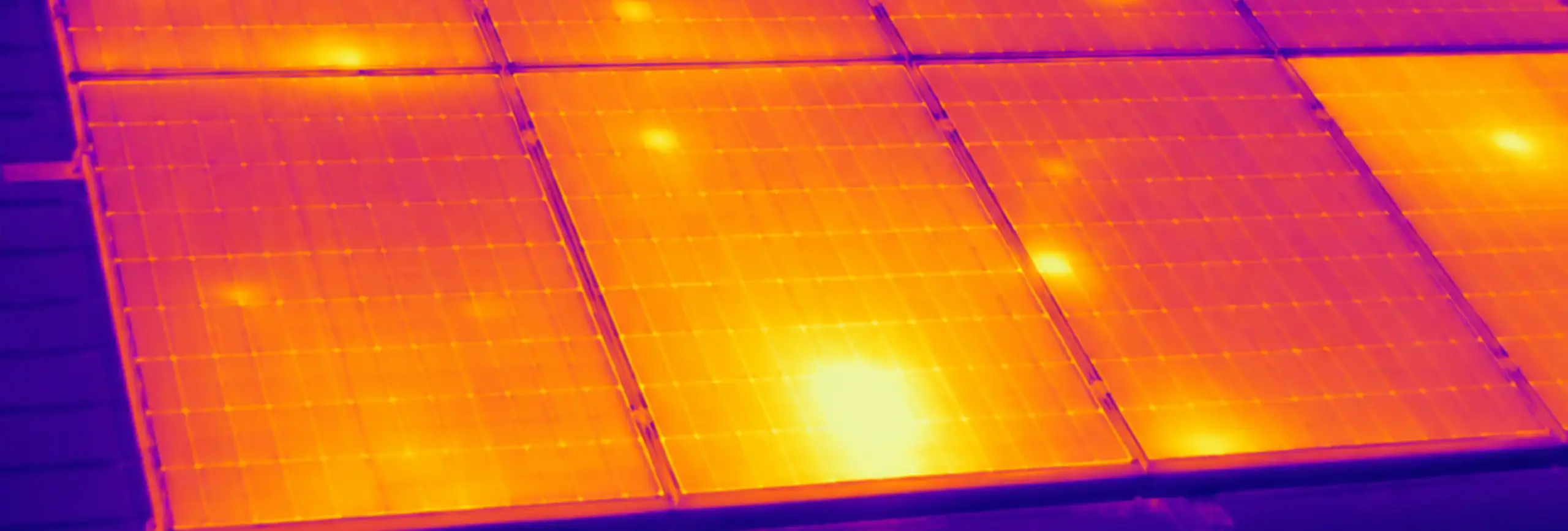
Pascal Kierstein: Yes. In particular, localized contamination – for example from bird droppings, leaves, or dust deposits – can lead to partial shading.


This can promote the development of hotspots, where individual cell areas become thermally overloaded. In the long term, this can result in material damage such as cell cracks, delamination, or accelerated degradation.


Contamination therefore not only affects the yield but can also shorten the technical service life of the modules.

Which damages would be avoidable?

Which defects can be prevented through regular maintenance and cleaning?

Pascal Kierstein: A significant portion of the defects found in practice would be avoidable.


These include contamination-related yield losses, hotspot formation due to partial shading, and thermal problems resulting from dirty or blocked inverter cooling systems.


Loose connections, damaged cables, or faulty plug contacts can also be identified early during regular visual inspections before major damage or failures occur.

Further Technical Article

Maintenance of PV Systems: Why Cleaning Is Crucial for Yield and Profitability

Learn why regular cleaning is an important part of maintaining photovoltaic systems.

The Underestimated Costs of Small Defects

How much do operators underestimate the financial impact?

Pascal Kierstein: The economic impact is often significantly underestimated. In particular, creeping yield losses due to contamination or minor technical anomalies often go unnoticed for a long time.


The need for action is only recognized when major malfunctions occur. By that time, however, significant yield losses have often already occurred.

How well do operators recognize performance losses at all?

Pascal Kierstein: Many operators find it difficult to recognize performance losses without a sound evaluation of monitoring data.


Creeping yield losses often remain hidden, especially if comparative values or regular performance analysis are missing. Anomalies are usually only noticed when there are significant drops in yield.

The Expert's Most Important Recommendation

What is the most important step in avoiding typical damage?

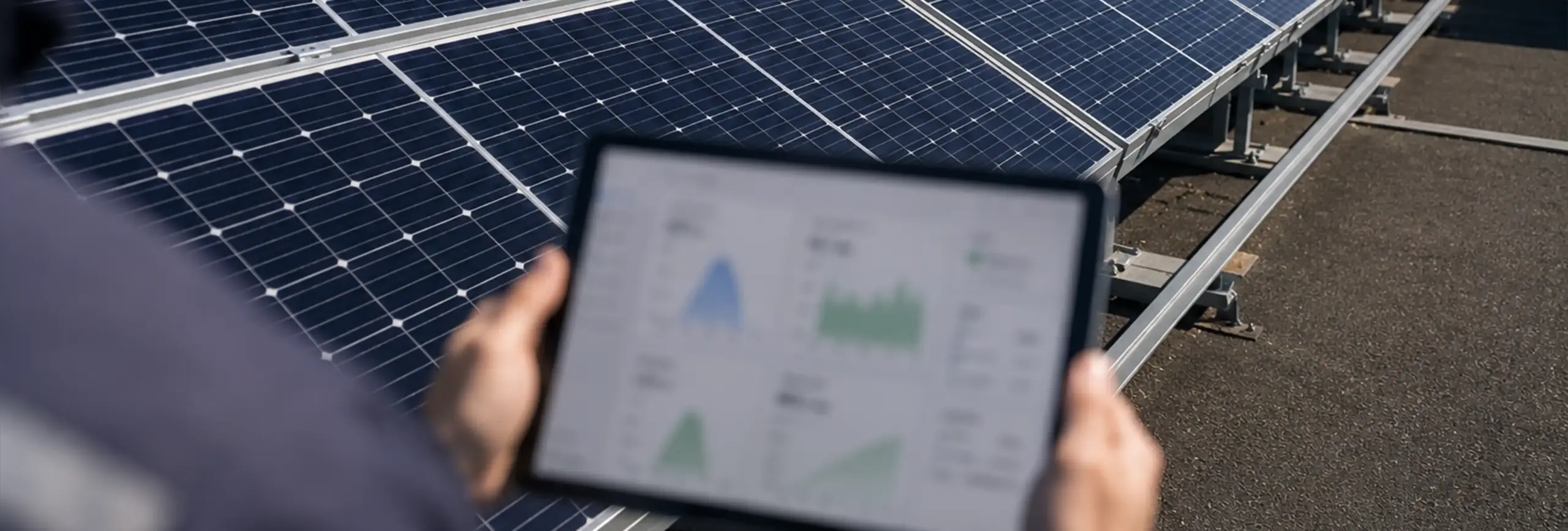
Pascal Kierstein: The most important step is the consistent implementation of a structured maintenance and monitoring concept.

Only the combination of regular visual inspections, measurement-based checks, ongoing yield monitoring, and needs-based cleaning makes it possible to identify and rectify deviations early.


The continuity of maintenance is more decisive than any single measure.

Conclusion: Many Damages Would Be Avoidable

The interview with Pascal Kierstein clearly shows: most economically relevant problems with commercial PV systems do not arise suddenly but develop over a longer period. In particular, contamination, undetected performance losses, and minor technical anomalies can significantly impair the profitability of a system.


Regular maintenance, professional monitoring, and needs-based cleaning help to

  • identify yield losses early
  • avoid technical damage
  • increase operational safety
  • extend the service life of the system


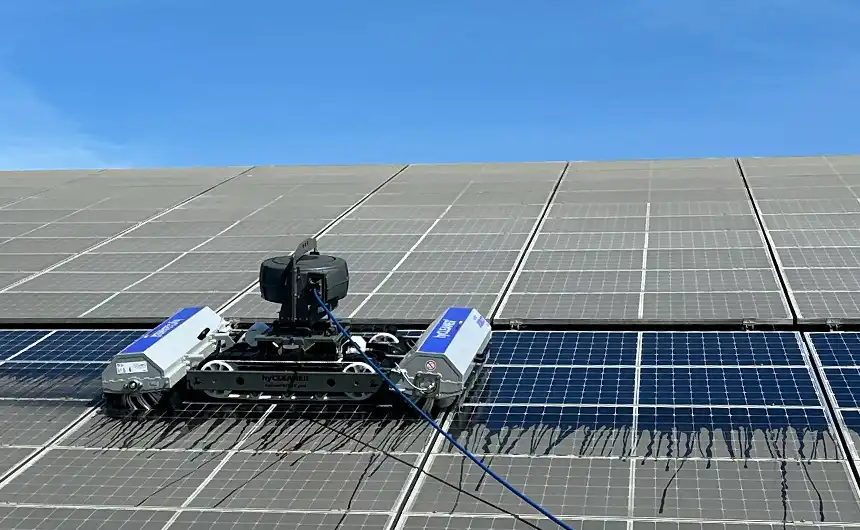
hyCLEANER supports operators of commercial PV systems with professional cleaning solutions that sustainably improve yield, operational safety, and long-term profitability. With our Solar Loss Calculator, operators can quickly and easily assess the potential yield deficit of their system.

About the Interview Partner

Pascal Kierstein assists companies and system operators with technical assessment, analysis, and evaluation of photovoltaic systems. His areas of activity include damage reports, cause analyses, assessment of yield losses, and technical evaluation of maintenance and upkeep measures.

He is a certified photovoltaic expert of the German Solar Association (BSW) and a VdS-recognized expert for photovoltaic systems. In his daily practice, he supports companies in assessing system conditions, damage, and technical anomalies.


Further information: kierstein.info

ABOUT THE hyCLEANER EDITORIAL TEAM

The hyCLEANER editorial team brings together internal subject matter experts from various company departments – from practical application and technical development to sales and customer consulting. Together, they pursue the goal of presenting complex topics related to the cleaning of photovoltaic systems, glass surfaces, and facades in an understandable, practical, and compact way. The content is based on many years of industry experience, technical expertise, and insights from daily use in the field.

Areas of expertise:

Last technically reviewed: 2026-06-17

Sources & Further Information

The content of this article is based on an expert interview with photovoltaic expert Pascal Kierstein as well as on publicly available information from leading specialist institutions in the solar industry.

FAQ: Defects and Damage of PV Systems

Common defects include faulty DC cabling, damaged plug connections, insufficient grounding systems, contamination of the modules, and problems with inverters.

Yes. Localized contamination can lead to partial shading and promote the development of hotspots.

Through professional monitoring, regular yield checks, and comparison with site-specific irradiation values.

Through professional monitoring, regular yield checks, and comparison with site-specific irradiation values.

Contamination not only affects the yield but can also impair the cooling of technical components and thereby promote consequential damage.

Monitoring helps to identify performance deviations and technical anomalies early and avoid economic damage.