Cleaning a PV system: Correctly adjust cleaning behavior for solar cleaning robots

Cleaning a PV system means taking soiling, surface, and conditions into precise account. Especially when using solar cleaning robots, the right cleaning behavior determines efficiency, safety, and results.

Cleaning a PV system – what matters?

Anyone who wants to clean a PV system should not only choose the method, but also adapt the cleaning behavior.

Key factors are:

  • Type and severity of soiling
  • Surface condition of the modules
  • Roof pitch and environmental conditions
  • Use of the right cleaning technology

Only when these factors are taken into account is safe and effective cleaning possible.

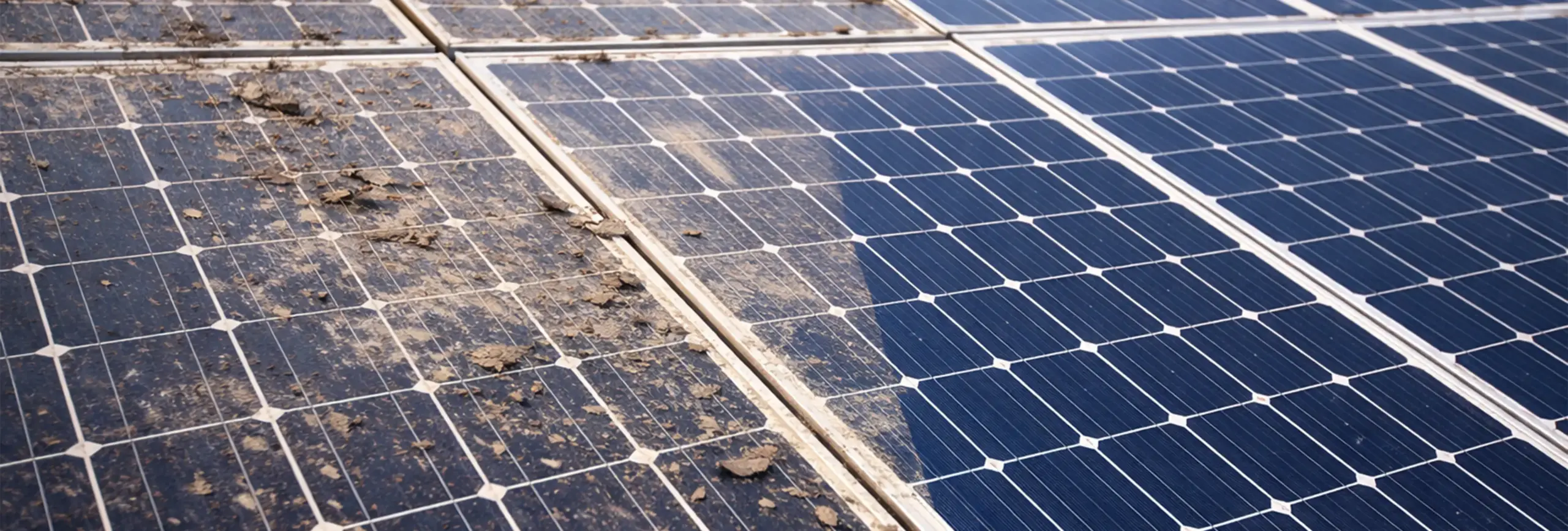
Assess soiling correctly

Before a PV system can be cleaned, the soiling must be assessed correctly.

Typical types of soiling:

  • Dust and pollen
  • Bird droppings
  • Algae and organic residues
  • Industrial deposits

Depending on the type of soiling, the cleaning behavior must be adjusted to avoid damage and achieve optimal results.

Adjust cleaning behavior in a targeted way

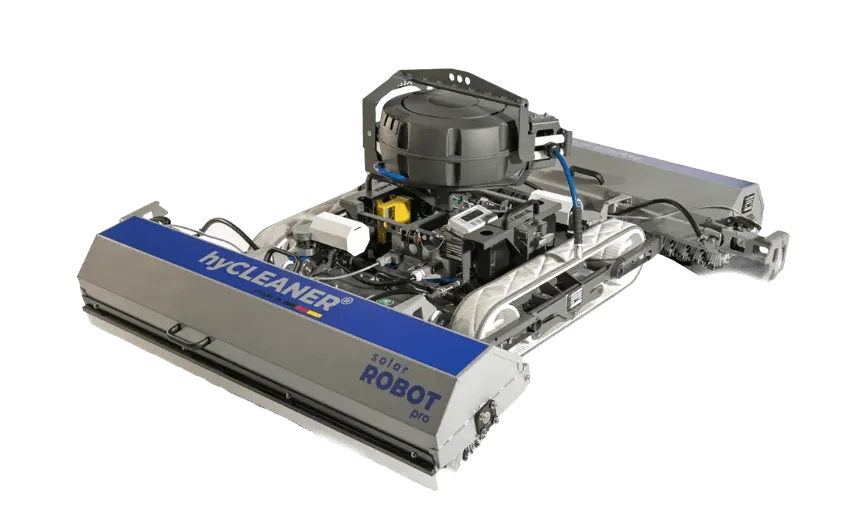
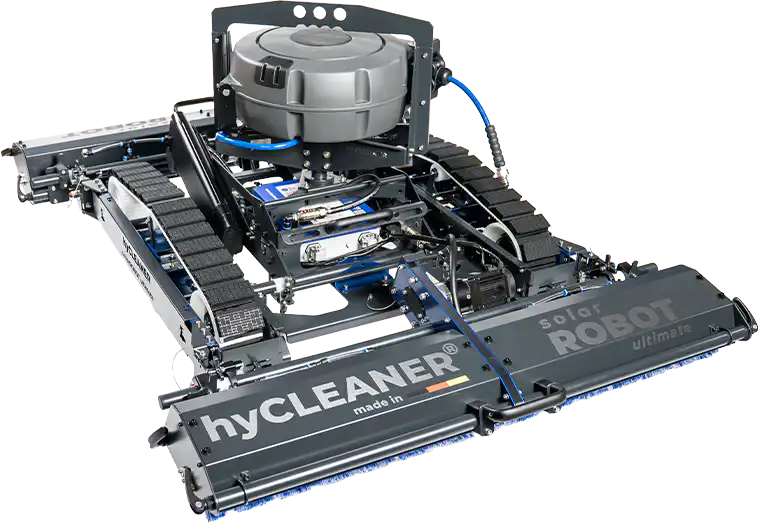
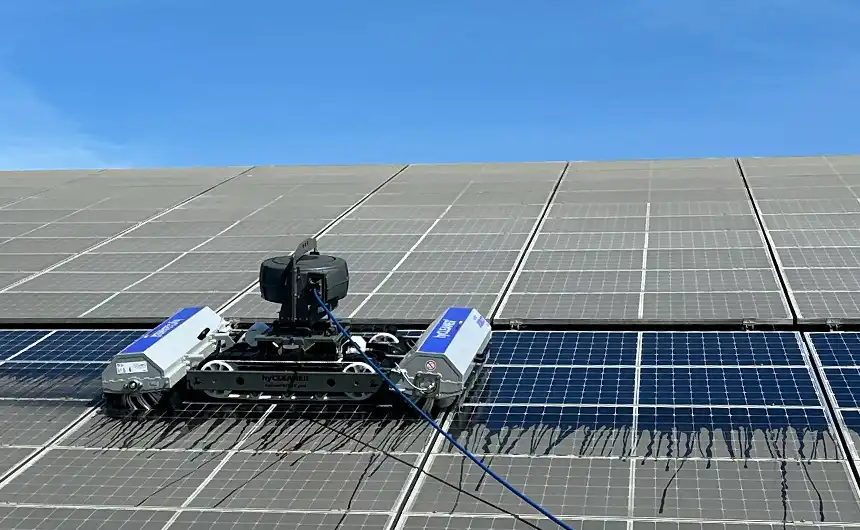
When using solar cleaning robots, the correct settings are crucial.

Important adjustments:

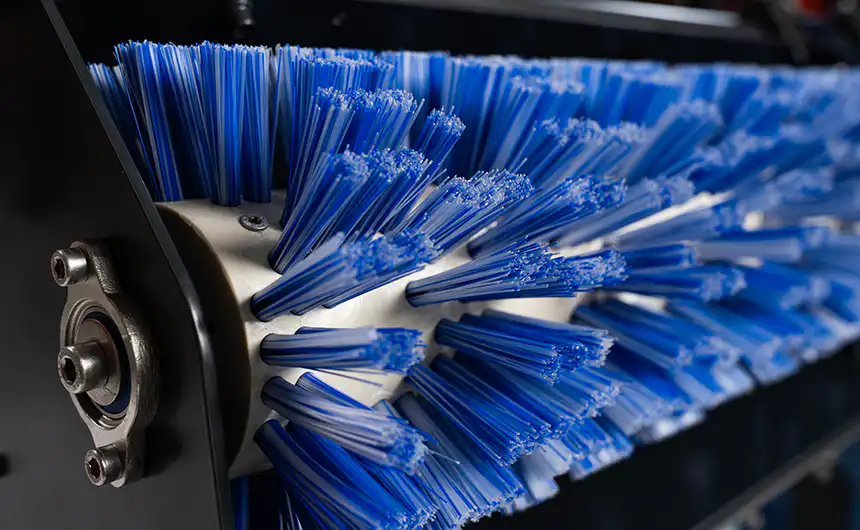
  • Adjust brush pressure to the surface
  • Regulate speed depending on the level of soiling
  • Control the water supply as needed
  • Adapt driving behavior to the slope and conditions

Incorrectly configured cleaning can lead to inadequate results or even damage to the PV system.

Safety when cleaning PV systems

Cleaning a PV system is always also a safety issue.

Typical risks:

  • Risk of falling during roof work
  • Risk of slipping on module surfaces
  • Damage caused by incorrect technology

Solar cleaning robots significantly reduce these risks, as they minimize the need for personnel to work directly on the system.

Why solar cleaning robots are a good solution

Modern cleaning systems offer clear advantages over manual methods in many commercial applications.

  • consistent and reproducible cleaning
  • high safety on inclined systems
  • reduced staffing requirements
  • lower risk of damage

Especially for larger systems, using a robot is the most efficient and safest solution.

Avoid mistakes when cleaning a PV system

Common cleaning mistakes:

  • excessive pressure on the modules
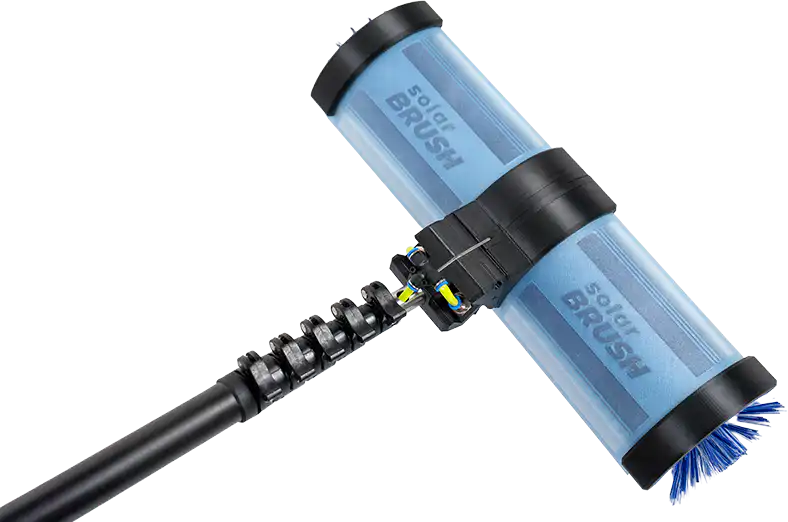
  • incorrect brushes or tools
  • unsuitable cleaning agents
  • no adjustment to soiling or slope

These mistakes can permanently impair the system’s performance and must be avoided at all costs.

Conclusion: Cleaning a PV system requires the right strategy

Cleaning a PV system means more than just removing dirt. What matters is the right combination of technology, adapted cleaning behavior, and safe processes.

  • better cleaning results
  • greater safety for personnel
  • protection of the system
  • higher yields in the long term

With the targeted use of solar cleaning robots, these goals can be achieved efficiently and safely.