Clean your PV system yourself or have it cleaned? Making the right decision

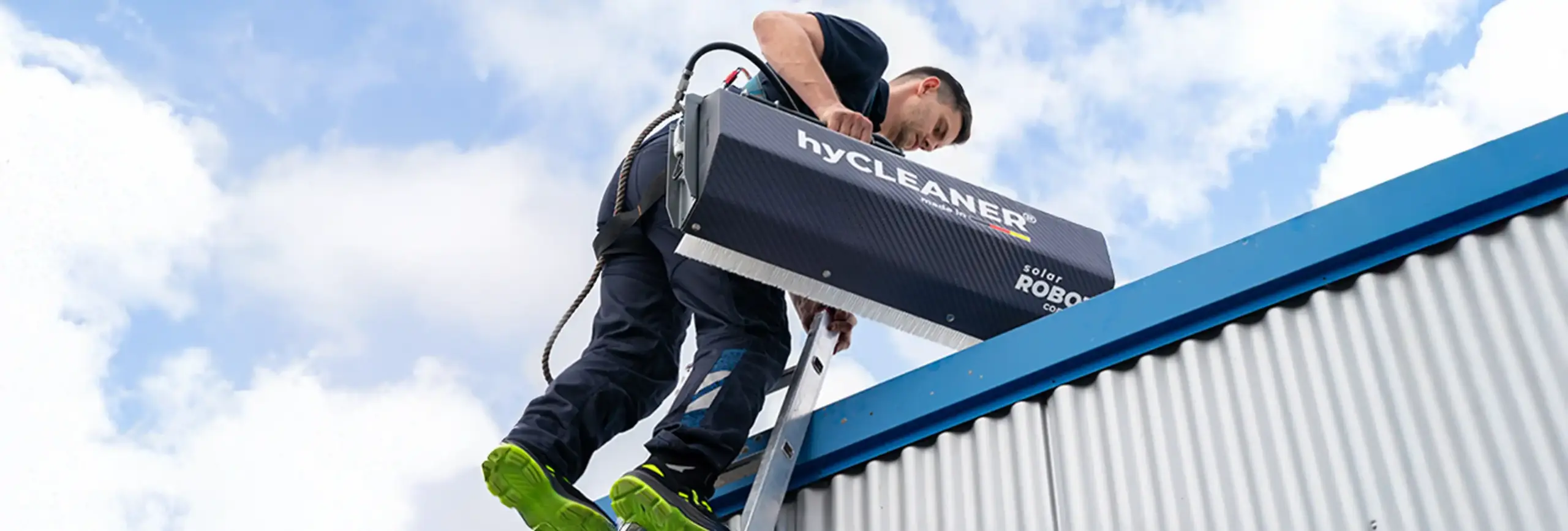
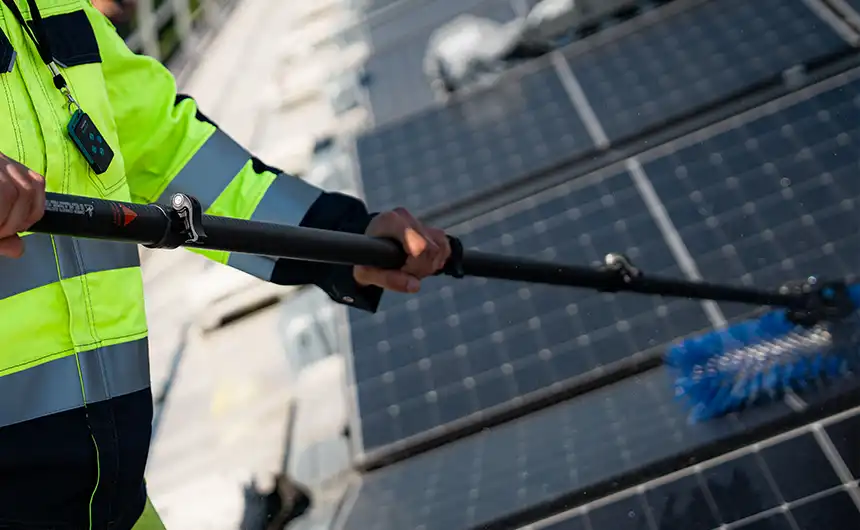
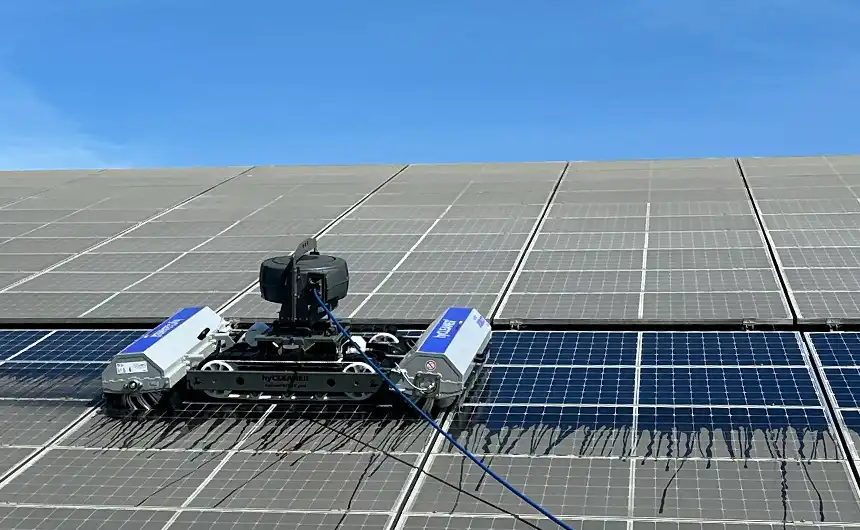
Whether you should clean your PV system yourself or have it professionally cleaned depends primarily on the size, accessibility, and degree of soiling of the system. For small, easily accessible systems, self-cleaning may be sufficient. For commercial, industrial, or hard-to-reach systems, professional cleaning is usually the safer and more economically sensible solution. Clean solar modules are crucial for high energy yield. Contaminants such as dust, pollen, or bird droppings can significantly reduce performance and impair the system’s efficiency in the long term.

When can you clean a PV system yourself?

In principle, self-cleaning is possible if certain requirements are met:

  • the system is easy to access
  • there are no increased safety risks
  • the soiling is low to moderate

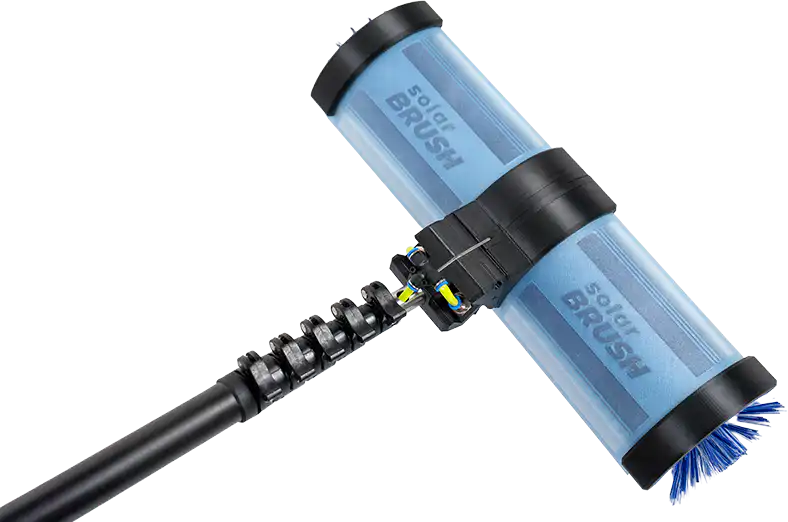
In these cases, careful cleaning with suitable equipment can be a cost-effective solution.

Advantages and disadvantages at a glance

Self-cleaning

  • lower direct costs
  • can be carried out flexibly
  • however, associated with greater time expenditure and potential safety risks

Professional cleaning

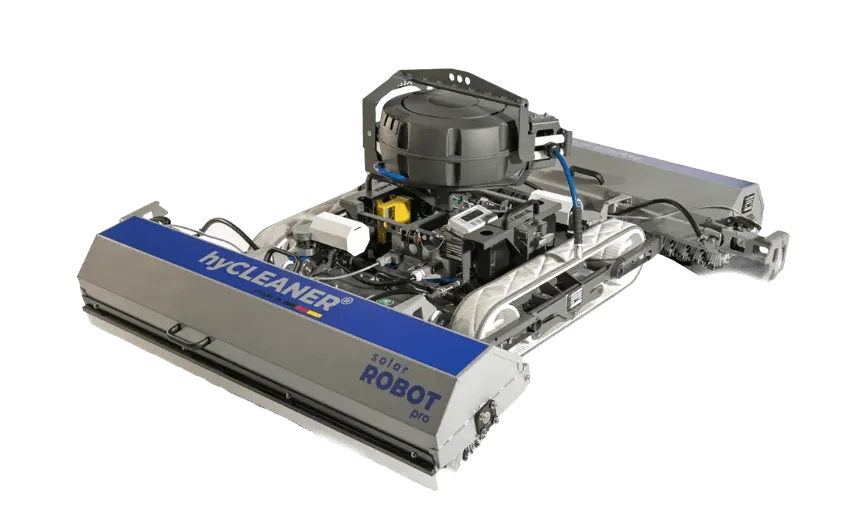
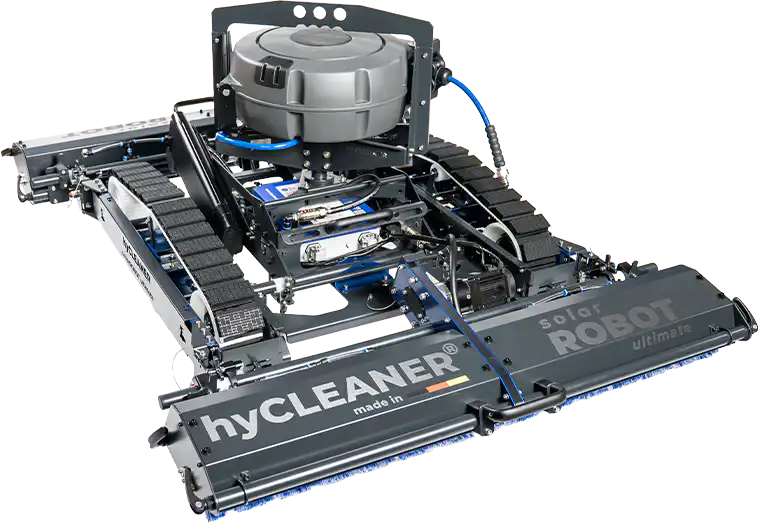
  • efficient and thorough cleaning
  • greater safety
  • particularly cost-effective for larger systems and regular cleaning intervals

Which factors influence the decision?

The decision depends on several factors:

  • System size
  • Location and level of soiling
  • Accessibility
  • Safety aspects

The cleaning interval also plays an important role: systems that need to be cleaned regularly benefit particularly from efficient, professional solutions.

→ How often should a solar system be cleaned?

In addition, cost-effectiveness should be considered: whether cleaning is worthwhile depends heavily on the costs and the potential additional yield.

→ What does PV cleaning cost, and when does it pay off?

Conclusion: Clean it yourself or have it cleaned?

The decision between self-cleaning and professional cleaning depends heavily on the system’s individual conditions.

For small, easily accessible systems, self-cleaning may be sufficient. In most commercial, industrial, and agricultural applications, however, professional cleaning is the significantly more efficient, safer, and more economically sensible solution.

Our recommendation: Have your system assessed individually. Factors such as location, sources of soiling, and system size determine which cleaning strategy delivers the best results in the long term. Sound advice helps avoid risks and sustainably improve the system’s cost-effectiveness.

ABOUT THE hyCLEANER EDITORIAL TEAM

The hyCLEANER editorial team brings together internal subject matter experts from various company departments – from practical application and technical development to sales and customer consulting. Together, they pursue the goal of presenting complex topics related to the cleaning of photovoltaic systems, glass surfaces, and facades in an understandable, practical, and compact way. The content is based on many years of industry experience, technical expertise, and insights from daily use in the field.

Areas of expertise:

Last technically reviewed: 2026-06-17