



Startseite ❯ Solar industry
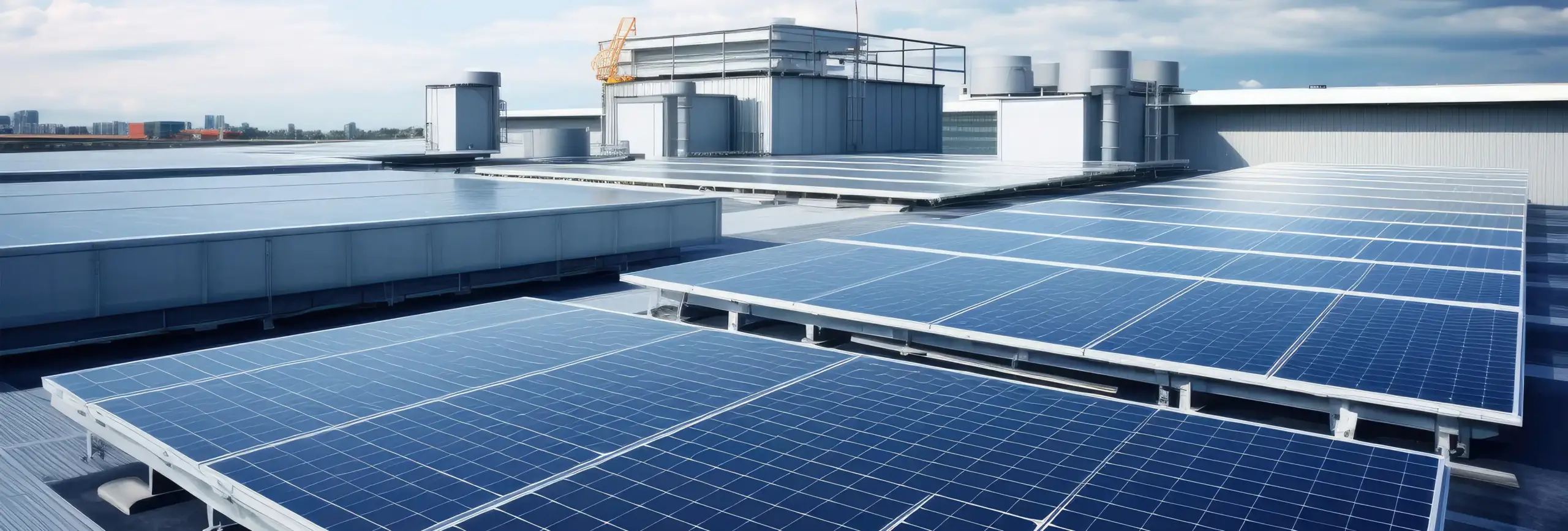
The solar industry is facing growing challenges: increasing competitive pressure, shrinking margins, and the need to operate photovoltaic systems (PV systems) at maximum efficiency over the long term. For plant operators, this means one thing above all: Every percentage point of performance loss has a direct impact on returns.
A frequently underestimated factor is the soiling of solar modules (soiling). Even light deposits from dust, pollen, or industrial emissions can measurably reduce energy yield—often by 5–15%, and significantly more in heavily polluted environments.
With rapid expansion, the focus within the solar sector is shifting: while the emphasis used to be on new installations, today the economic operation of existing PV systems is taking center stage. Topics such as performance optimization, maintenance, solar cleaning, and operating costs are becoming increasingly important.
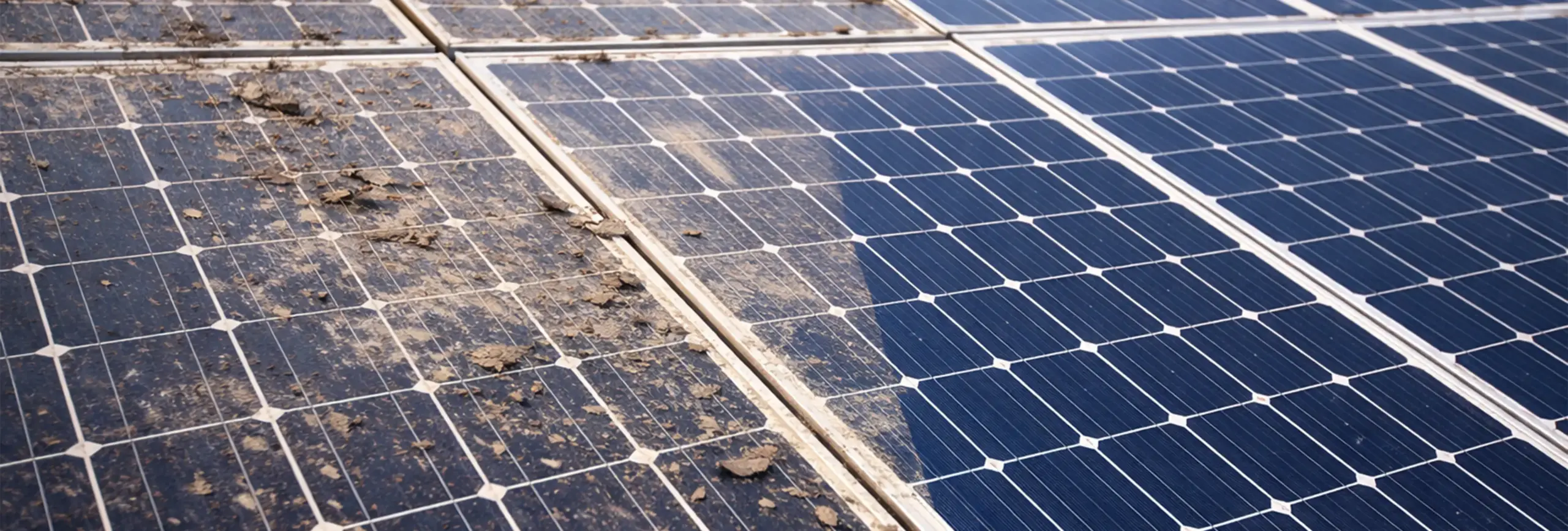
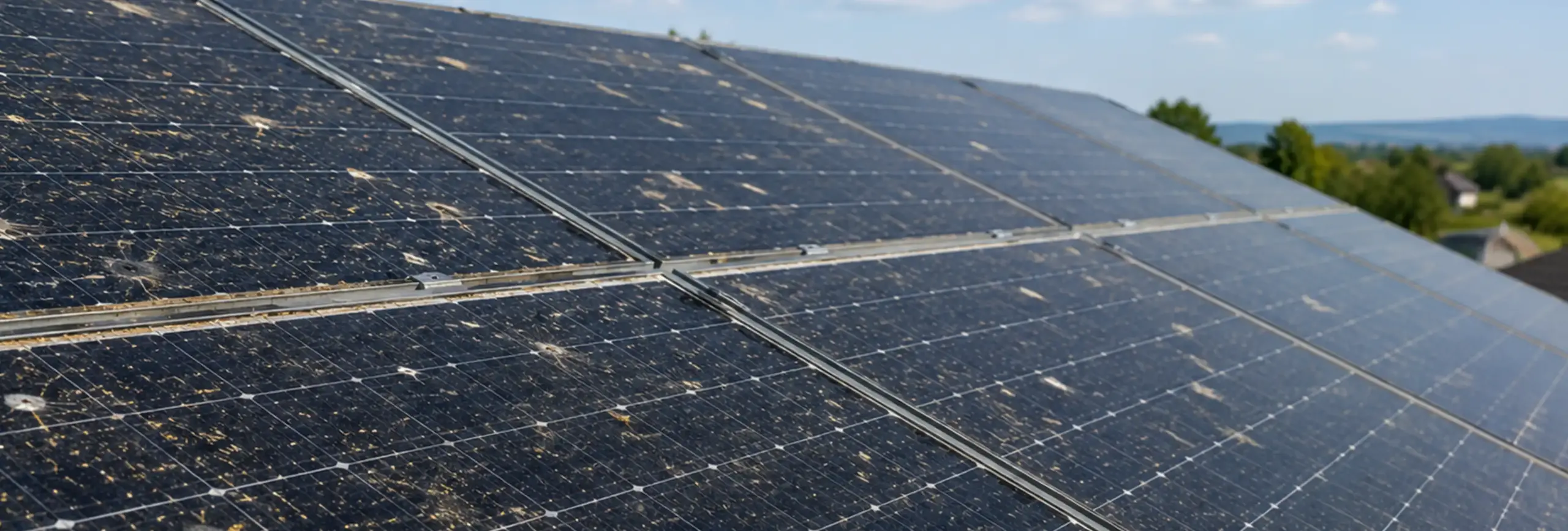
Soiling is one of the key issues in the day-to-day operation of PV systems. Deposits such as dust, pollen, industrial emissions, or bird droppings reduce the modules’ light transmission and therefore directly reduce power generation.
Even minor soiling leads to:
Ground-mounted systems and industrial rooftops in polluted environments are particularly affected.
In the solar industry, soiling is not an isolated case, but a systematic efficiency loss in PV systems.
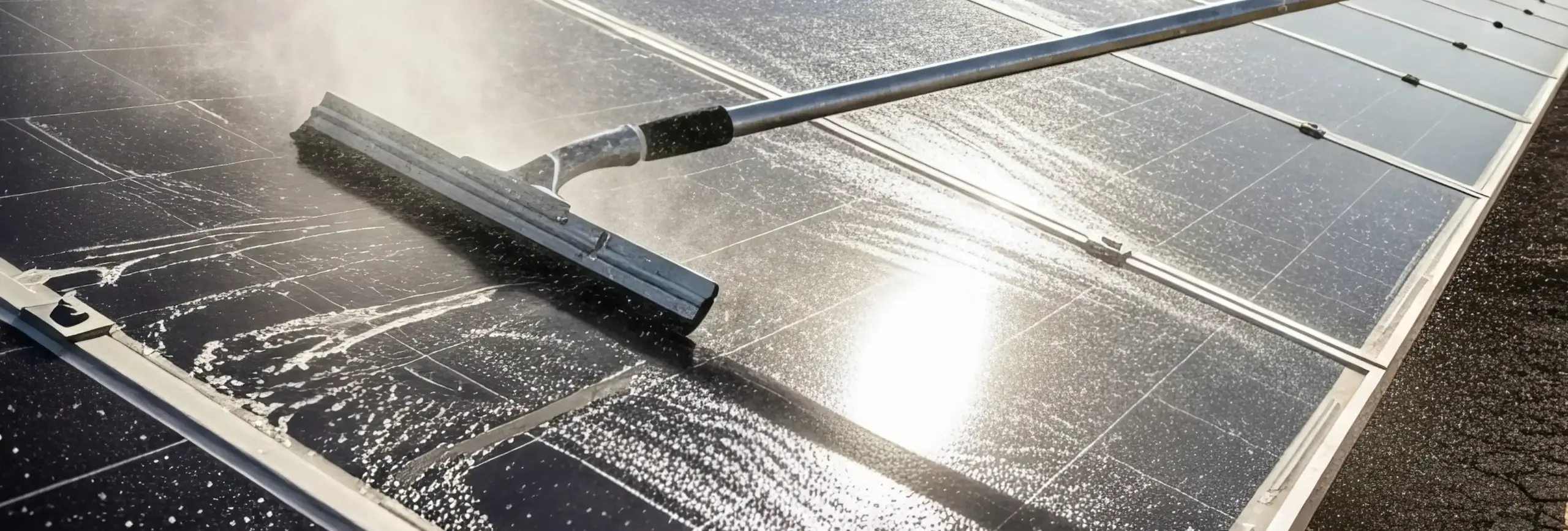
Manual cleaning of PV systems involves considerable effort and quickly becomes a relevant cost factor in operations (O&M).
Typical cost factors:
Additional burdens:
In practice, the cost of solar cleaning is often €1–€3 per m², while significant yield losses occur at the same time due to soiling.
As system size increases, these costs rise disproportionately—making manual cleaning increasingly inefficient.
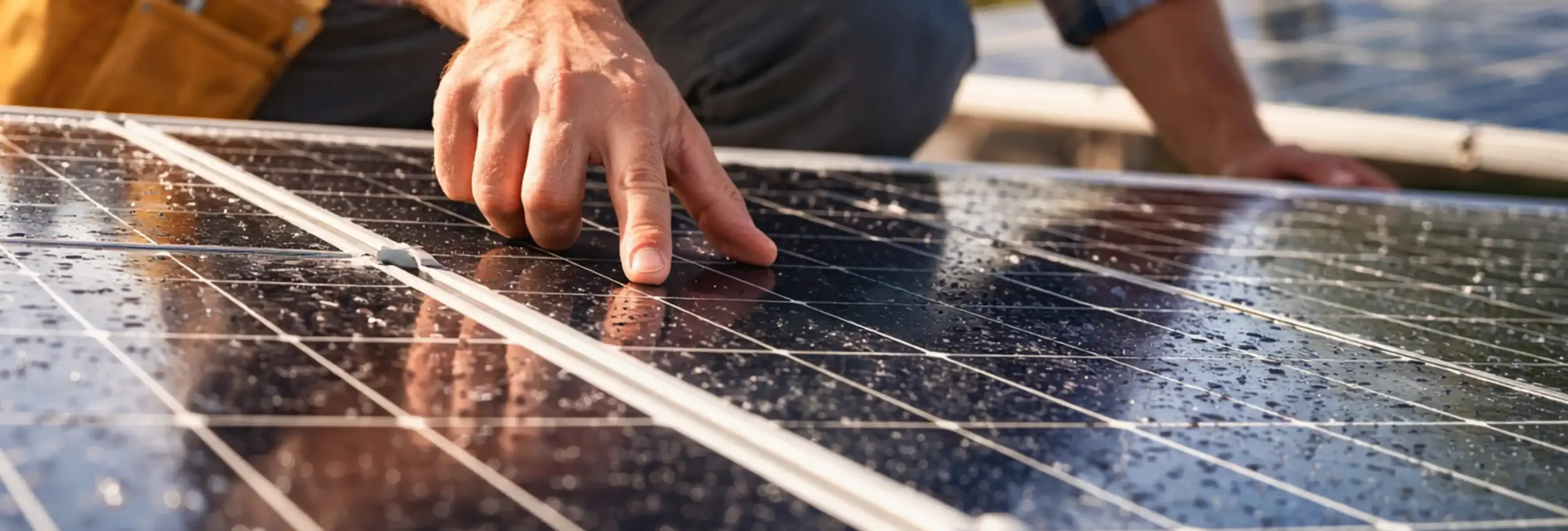
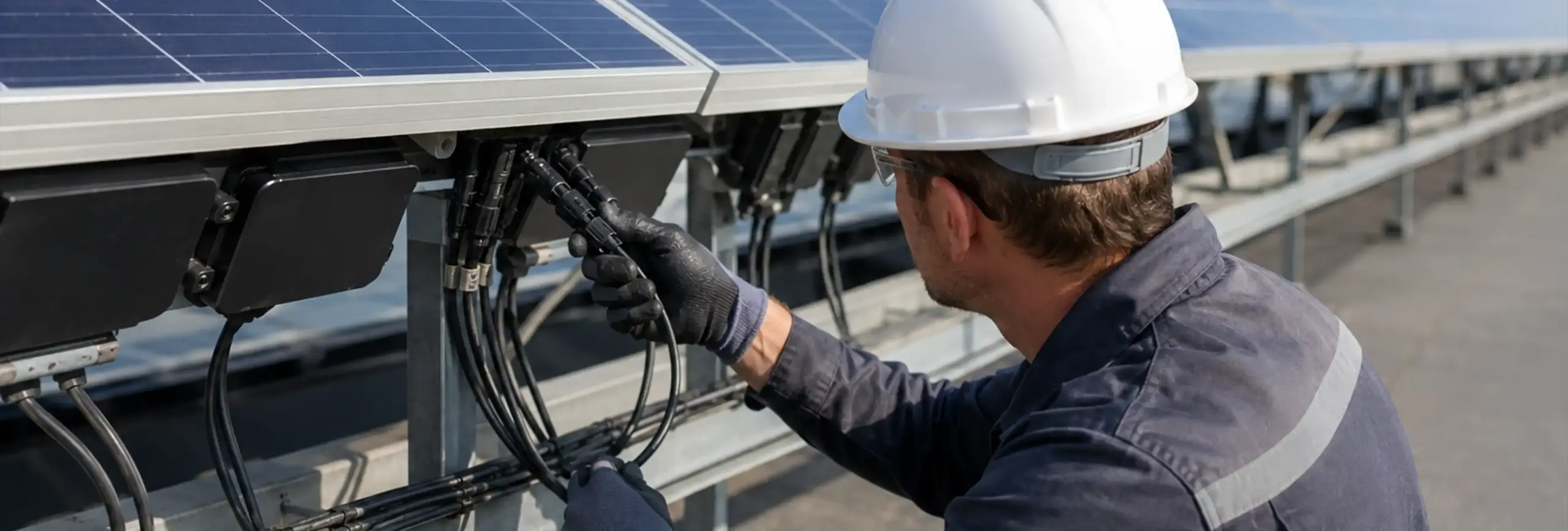
Many damages to solar modules are detected too late— especially when systems are not cleaned and visually inspected regularly. Soiling conceals defects on the module surface. Cracks, hotspots, or material fatigue often go unnoticed because there is no continuous visual inspection.
Typical consequences:
Additional risks:
Especially in large solar parks, regular inspection and cleaning of PV systems is crucial.
As the solar industry continues to evolve, integrating battery storage is becoming increasingly important. Operators increase self-consumption, reduce peak loads, and optimize energy systems.
One key point is often overlooked: Storage only optimizes the energy that is actually generated.
This means:
A clean PV system is the foundation for cost-effective system optimization.
Cleaning of PV systems is often not carried out regularly or systematically.
The key is not only whether cleaning is done, but when,how often and using which method it is cleaned.
The optimal time depends on:
Frequency is also site-dependent:
Professional solar cleaning is carried out with:
Typical mistakes:
The result is inefficient cleaning, performance losses, or damage to PV systems. This makes it clear: Solar cleaning is a decisive factor for the profitability of photovoltaic systems.
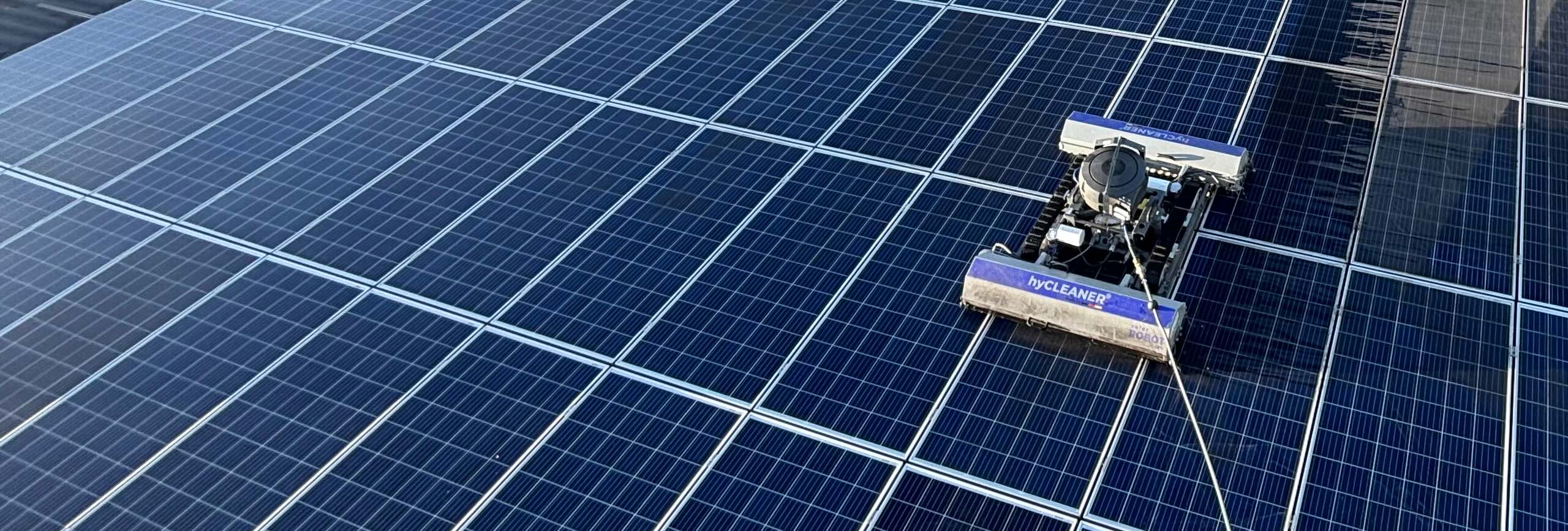
hyCLEANER offers specialized solutions for the cleaning of solar systems and solar parks and addresses key challenges in plant operations.
Benefits of hyCLEANER:

Maximum efficiency
Maximum energy yield through clean modules
Intelligent automation
Reduction of operating costs
automation instead of manual processes

Maximum safety

Sustainable & durable
Regular cleaning ensures the long-term preservation of your investment.
The hyCLEANER editorial team writes about robotic cleaning systems for solar surfaces, facades, glass surfaces, and special structures. The content is based on hyCLEANER’s experience in the development and production of semi-automated cleaning systems, as well as technical expertise and practical experience from using the systems. These insights are supplemented by the experiences of customers from industry, agriculture, and the ground-mounted sector, as well as cleaning companies, service providers, and partners.
PV cleaning | Glass and facade cleaning | Cleaning robotics | Industrial cleaning
Last technically reviewed: 2026-06-17
Soiling can reduce energy production by up to 30%, depending on location and environmental conditions.
That depends on the location and the level of soiling. In many cases, regular cleaning is essential.
Please feel free to send us a message; we will get back to you promptly.
*Required field
